
Written with the help of artificial-intelligence tools and checked by automated controls.
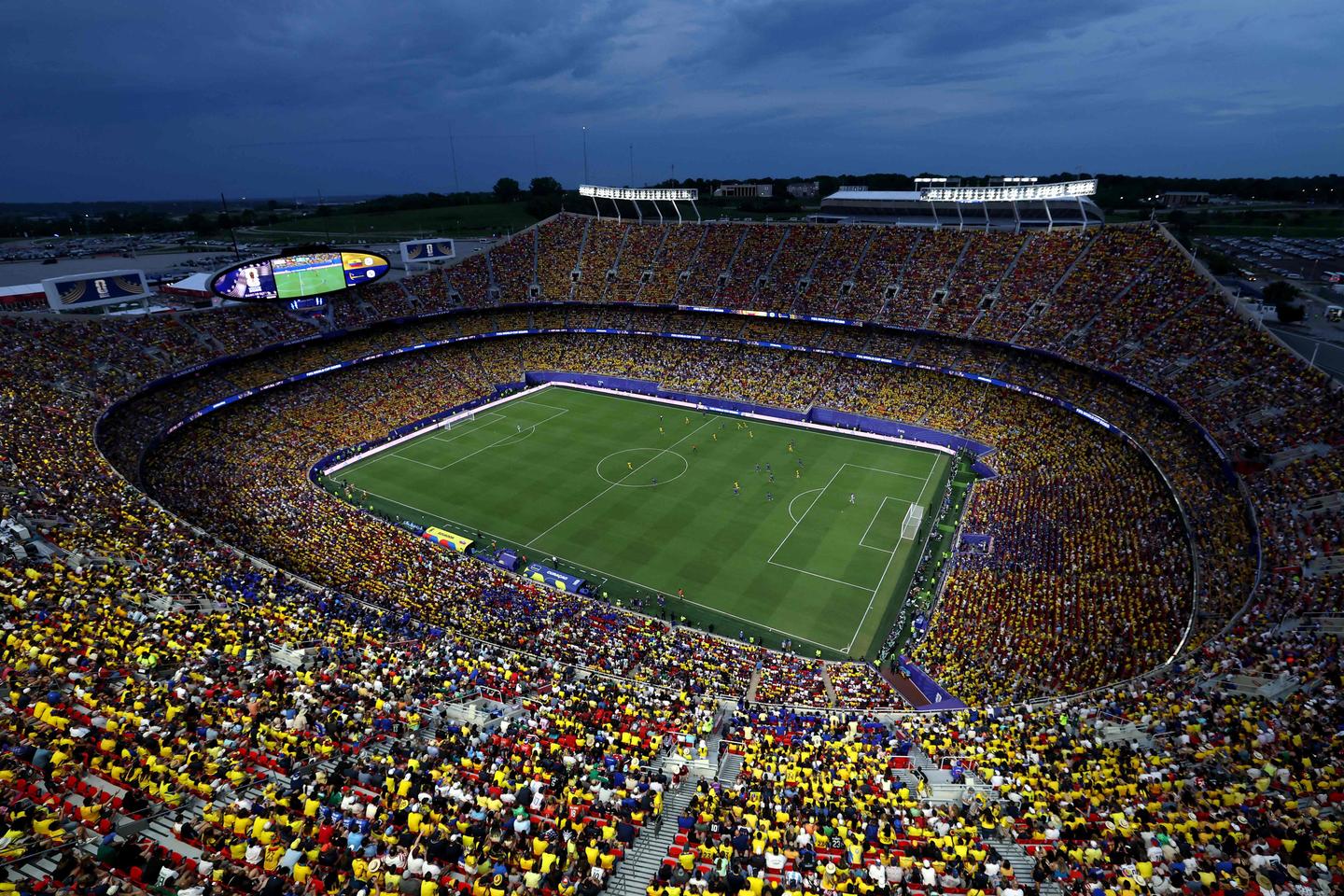
The city of Kansas City, Missouri, is set to become a major symbol of American football during the 2026 World Cup, a historic event that will mark the return of the European champions to the United States. This city, previously associated with baseball and basketball, is transforming itself into a technological and cultural hub dedicated to football, with modernised facilities and a passionate community ready to welcome tens of thousands of supporters. Kansas City’s decision to play an active role in organising the tournament reflects the United States’ growing ambition to establish itself as a major player in international football.
The 2026 World Cup, co-hosted by the United States, Canada and Mexico, marks a major departure from the traditional format. With 48 teams and 104 matches, it is the largest edition in history. The United States, which has not hosted the event since 1994, is counting on cities such as Kansas City to attract international attention. The city’s selection is largely due to its proximity to Kansas City International Airport, its suitable sports facilities and its ability to manage large-scale events.
The 2026 World Cup, co-hosted by the United States, Canada and Mexico, marks a major departure from the traditional format.
Kansas City has invested heavily in transforming its stadiums and amenities. Development projects aim to improve public transport, accommodation facilities and public spaces, whilst meeting environmental standards. Local authorities have also worked in partnership with equipment suppliers and football associations to ensure the event runs smoothly. This collective effort illustrates the United States’ determination to make the 2026 World Cup a springboard for the development of football in the country.
Beyond the logistical aspects, the event could mark a turning point in the popularity of football in the United States. Younger generations, long marginalised by mainstream sports, are beginning to get involved in amateur leagues and specialist schools. Kansas City, with its youth academies and local teams, is becoming a testing ground for this transformation. Local authorities hope that the international exposure will inspire more players and fans, strengthening the link between football and urban communities.
Finally, the 2026 World Cup represents an opportunity for Kansas City to step out of the shadow of major centres such as New York or Los Angeles. By hosting key matches, the city will be able to attract tourists, investors and the media, whilst reshaping its image. This symbolic milestone — a Midwestern city becoming a hub for world football — embodies the United States’ ambition to bring its national culture closer to international football.