
Written with the help of artificial-intelligence tools and checked by automated controls.
The 2026 World Cup, with the stakes rising ever higher, saw Thursday 2 July mark a turning point for several teams. Algeria, despite a promising start, were knocked out at the group stage, bringing to an end a campaign marked by unexpected challenges. At the same time, Spain conceded a decisive draw, reigniting the tension in their section of the draw. These two events are reshaping the trajectories of the teams concerned and heralding a new era for those still in contention.
For Algeria, the elimination highlights the limitations of a generation of players facing ever-increasing demands. The group stage matches, which were often closely fought, highlighted tactical inconsistencies and difficulties in capitalising on aerial play. Supporters, accustomed to more consistent international performances, must now consider what steps are needed to turn things round ahead of future competitions. The opposing teams in the group, whether more aggressive or better prepared, were able to exploit the national team’s weaknesses, marking a turning point in the tournament’s momentum.
For Algeria, the elimination highlights the limitations of a generation of players facing ever-increasing demands.
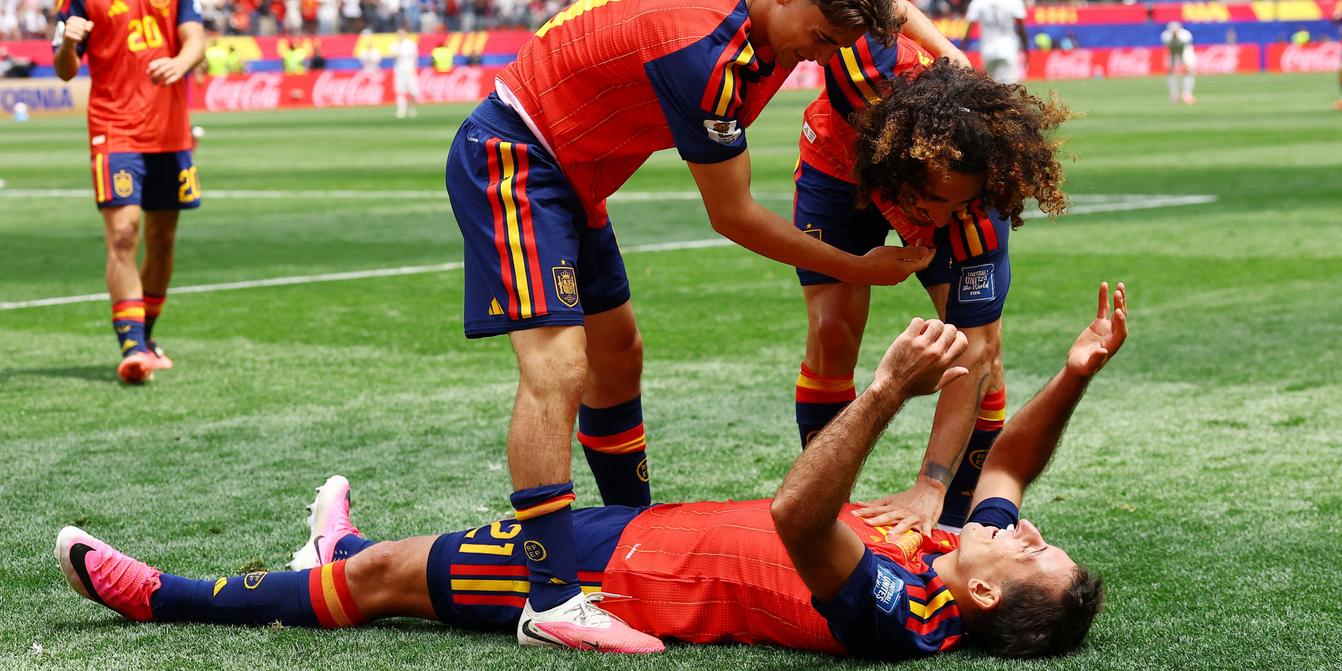
Spain, for its part, saw its status as favourite shattered by a surprising result. This draw, no doubt a combination of tactical tensions and individual errors, has reignited the stakes for the upcoming fixtures. The team’s progress remains dependent on their ability to adapt to a variety of opponents, whilst avoiding the mistakes that may have proved costly in the group stage. The upcoming matches, particularly those against teams such as Argentina or South Africa, must be won to secure their place in the next rounds.
On Friday 3 July, key fixtures will determine which teams qualify for the round of 16. The matches taking place in Paris and New York promise to be decisive, particularly for teams in direct competition with one another. The results of the second group matches, which are often more open affairs, could turn everything on its head, highlighting the importance of every point in a format where precision takes precedence over power. Supporters of the teams involved will be eagerly following these outcomes, whilst analysts dissect the lessons from this historic tournament.
Beyond the results, the 2026 World Cup continues to mark a turning point in the history of world football. The expansion to 48 teams, whilst controversial, has opened up opportunities for emerging nations whilst redefining the rules of the game. The matches in this tournament, often held in modern stadiums and unexpected cities, reflect a changing competition, where every second counts for the teams in contention. The coming rounds promise to be just as gripping, with unexpected twists and tales of triumph or defeat.