
Written with the help of artificial-intelligence tools and checked by automated controls.
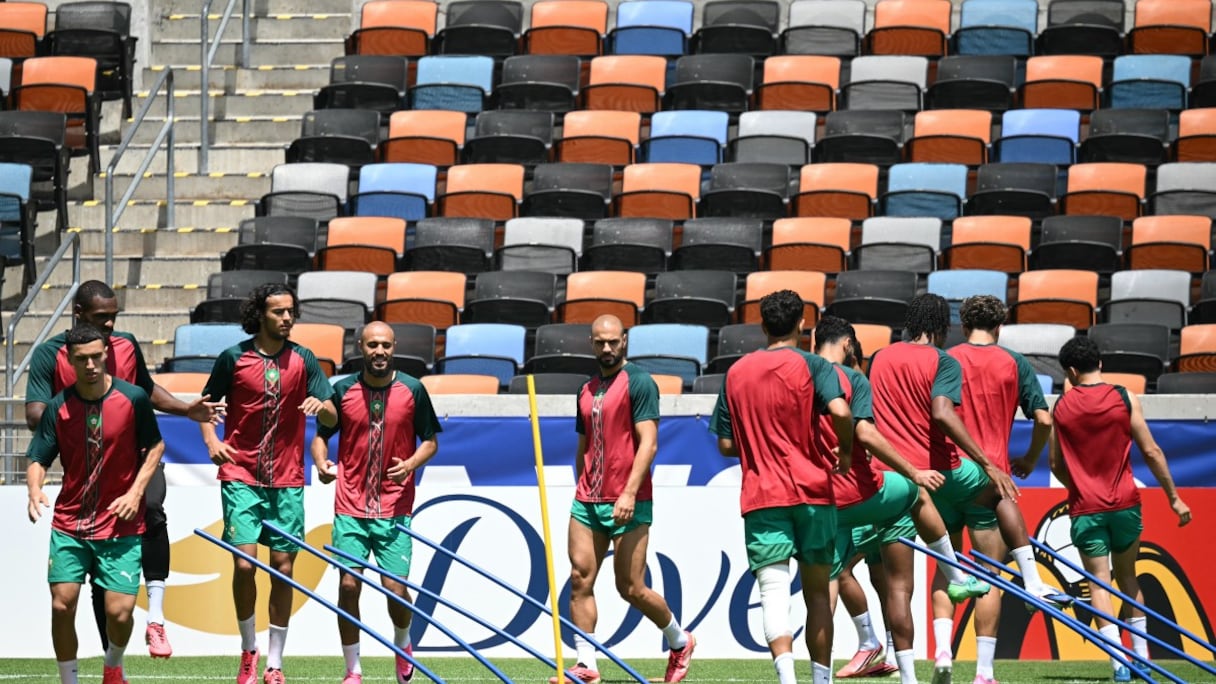
The Atlas Lions are preparing earnestly for their upcoming clash with Canada, a crucial fixture in the qualifiers or friendly matches for the 2026 World Cup. Recent training sessions have highlighted a rigorous build-up, where every move counts when facing a Canadian side known for its solid defence and effectiveness on the break. The squad, appearing composed, has undertaken intensive training sessions, combining positioning drills, tactical rondos and high-pressure game situations, in order to master the pace expected from such a demanding opponent.
The coaching staff have demonstrated remarkable organisation, with sessions tailored to simulate the demands of an international match. In particular, the players have practised deep passes, attacking runs down the flanks and quick transitions – key elements for exploiting the spaces left by the Canadians. Preparations also included specific exercises focused on managing the counter-attack, a strategic aspect when facing a team that excels at capitalising on decisive transitions. The squad’s physical condition was closely monitored, with stretching and strength-building sessions to minimise the risk of injury ahead of this crucial match.
The coaching staff have demonstrated remarkable organisation, with sessions tailored to simulate the demands of an international match.
The context of this fixture, often described as a regional ‘derby’, adds an extra layer of significance. The Atlas Lions, who have historically performed well in World Cup matches, are looking to consolidate their position in their group, whilst Canada, playing with a dynamic approach, are keen to prove their credentials on the international stage. The two teams have adopted distinct playing styles: Morocco relies on collective responsiveness and attacking initiative, whilst the Canadians prioritise defensive organisation and effectiveness on the counter-attack.
The coaches have also emphasised the players’ adaptability, ensuring they are capable of adjusting to the opposition’s tactics. Tactical mechanisms, notably phase transitions and high-pressing, have been incorporated to counter the specific characteristics of a Canadian side that has demonstrated an ability to disrupt the opposition’s rhythm. Technical sessions, often led by iconic figures from the world of football, guided the training sessions with a keen eye for detail, becoming cornerstones of the team’s preparation.
Finally, the atmosphere within the squad has been characterised by unwavering concentration. The squad members, accustomed to the demands of international competitions, have adopted a mindset of fighting spirit and perseverance – qualities essential for overcoming the challenges of such a gruelling match. The coming weeks will be decisive in assessing the strength of the Moroccan project, which is relying on team cohesion and flawless execution to challenge the North American side’s ambitions.