
Written with the help of artificial-intelligence tools and checked by automated controls.
Morocco’s qualification for the upcoming 2026 World Cup marks a new milestone in the history of African football. Co-hosted by the United States, Canada and Mexico, this tournament will bring together 48 teams for 104 matches, offering the Atlas Lions another opportunity to make their mark on the international stage. Head coach Walid Regragui, who led the team through the qualifiers for the 2022 World Cup in Qatar, is expected to finalise a squad that combines experience and energy. The stakes are high, particularly as Morocco, as a co-hosting nation, is in the spotlight. Supporters hoping to see their local stars join the national team will be keen to find out which players Regragui selects, as he will need to strike a balance between promising young talents and veterans who are still in top form.
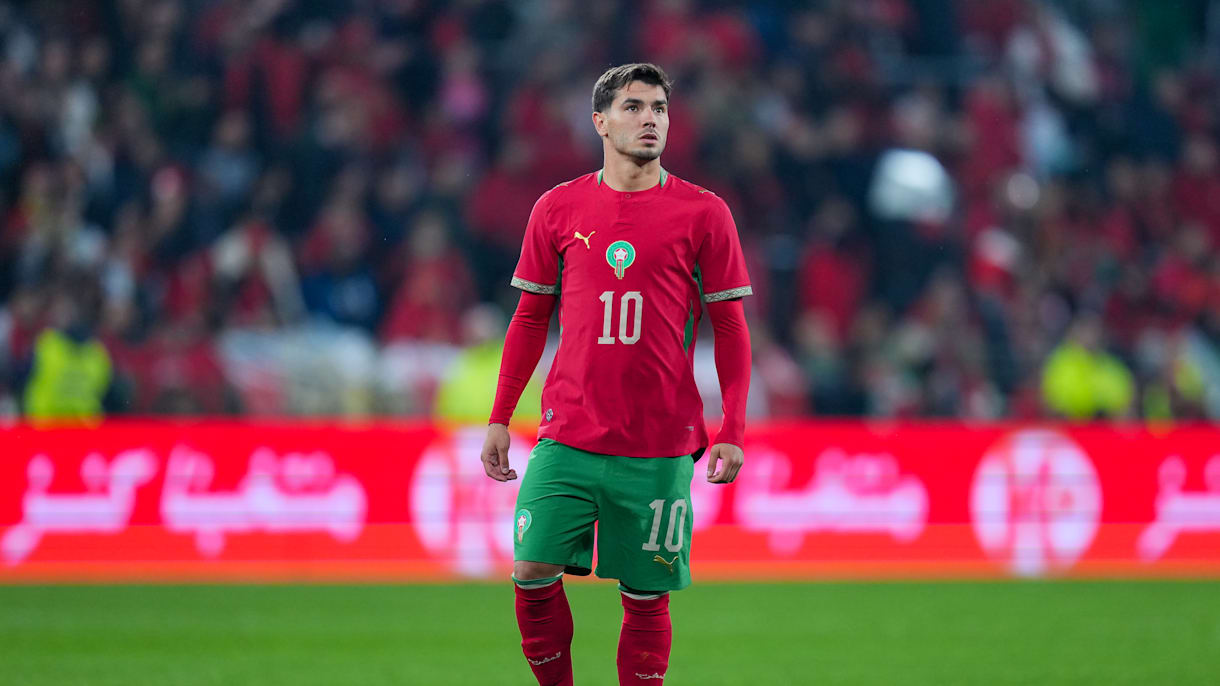
The format of the competition, which involves a longer tournament than at present, requires rigorous squad management. The coaches must take into account the players’ playing time, particularly those playing in demanding leagues such as Egypt, Germany or Spain. Players such as Brahim Diaz, currently in top form at Real Madrid, or Soufiane Rahimi, who has scored crucial goals for his club, could feature among the likely nominees. Goalkeeper Ayyoub Bouaddi, unassuming but effective, could also be called upon to bolster the goalkeeping line-up. Although these are merely potential candidates, these names reflect the depth of Moroccan football, where each season sees new talents emerge who are capable of meeting the demands of a major tournament.
The format of the competition, which involves a longer tournament than at present, requires rigorous squad management.
The organisation of the 2026 World Cup across three countries – the United States, Canada and Mexico – presents unique challenges. The varying climatic conditions, infrastructure and fixtures will require strict adaptation. Morocco, accustomed to tournaments held in countries with a more temperate climate, will need to acclimatise quickly. Matches in Dallas, Toronto or Mexico City will demand specific preparation in terms of both the weather and physical fitness. Furthermore, the national team’s presence in cities such as Los Angeles and Toronto offers unprecedented media exposure, strengthening the bond between Moroccan supporters living abroad and their team. These cultural and logistical factors could play a key role in the overall performance of the Atlas Lions.
Qualification for this tournament remains a complex undertaking. Morocco, North African champions in 2022, have demonstrated their ability to go far by displaying collective solidarity and well-executed tactics. The aim for 2026 is to build on this rise to prominence, relying on a new generation of players such as Rayan Cherki and Youssef En-Nesyri, who have already scored decisive goals. The 2026 World Cup could serve as a springboard for players seeking international glory, whilst giving Morocco a new global profile. The coming months will be crucial, with local breakthroughs, international collaborations and the ambition to maintain a momentum that highlights the potential of Moroccan football.